Hello!

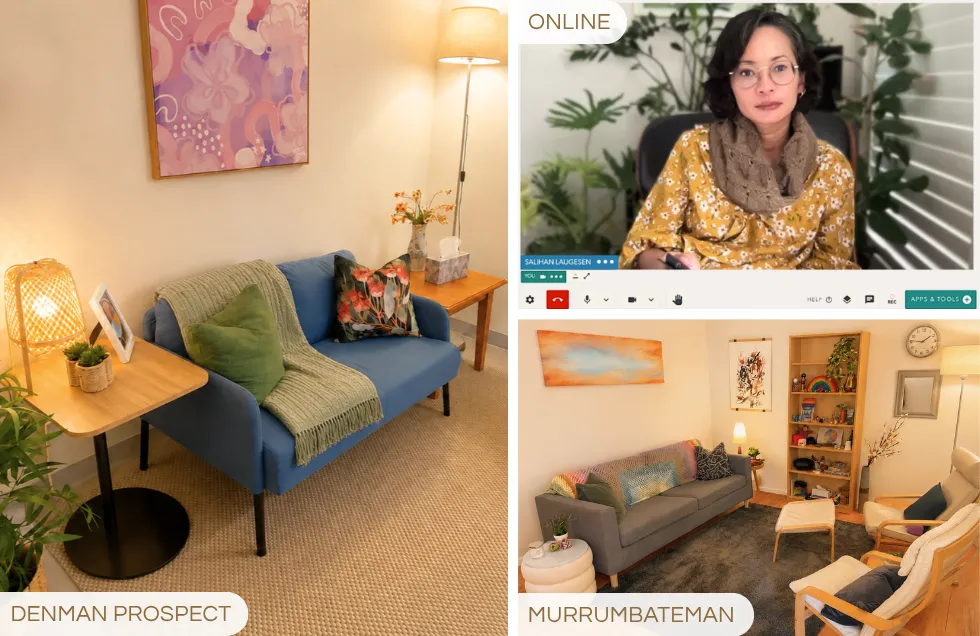
I'm Salihan Laugesen, an ACA Level 2 Registered Counsellor with a Master of Counselling, based in Canberra and Murrumbateman. I offer individual counselling in person and online for people aged 18 and over.
I didn't come to this work through a straight path. I spent years trying to make sense of my own experiences before I had the language for them, and some of that understanding didn't come until well into my 40s. That shapes how I work. I'm not here to hand you a framework and send you on your way. I'm here to actually understand you. Clients often tell me they feel heard in a way they haven't before. Some have laughed with me too (sometimes at me), which I think matters just as much. I'm not the expert in the room. You are. I've just spent a lot of time learning things that might help.
My particular focus is women's mental health and supporting neurodivergent adults, including people with autism and ADHD. I hold additional training in both areas and bring personal insight into what that's actually like. I work in ways that take you seriously as a whole person, including how being a woman, or how your brain works, shapes what you're going through.
If you've grown up between cultures, or carry family expectations about how to live your life, counselling can help you work out what you actually want and what feels right for you. Sessions in English or Malay.
Are You Dealing With This?
People come to counselling for many different reasons, often when they've been trying to sort something out on their own and it isn't working. Counselling gives you a dedicated space to understand what's getting in the way and start doing something about it.
Women's Mental Health
Being a woman brings specific health and life experiences that can affect your wellbeing. If you're feeling limited by this, counselling can help you thrive again.
Neurodivergent Adults
Whether you have been diagnosed with autism and/or ADHD as a child or an adult, or you suspect you might be, sessions work with how your brain actually functions, not against it.
Grief, Loss & Trauma
Sometimes things happen that leave you struggling to cope, and life starts to feel unrecognisable. Counselling can help you adjust to how things are now and start to feel stable again.
Anxiety, Depression & Stress
When worry, low mood, or stress starts affecting your sleep, your relationships, or your ability to get through the day, that's worth taking seriously. Things can get better with the right support.
Here's What to Expect
You know yourself best
I don't give advice or tell you what to do. I listen, spot patterns, and offer skills and ideas that might help. You do the real work: opening up, trying new things, and finding what actually works for you.
Conversation and more
Most sessions are talking-based, but we can also work creatively or build hands-on skills. Sometimes that means learning a new way to manage your emotions, understanding a situation differently, or trying something practical between sessions.
Your strengths, not just your struggles
Most people come to counselling thinking they are not coping. But if you've made it this far, you've already been using strengths you might not recognise. We find those, name them, and build from there.
Your whole self is welcome
Whether you're navigating gender identity, sexuality, culture, faith, or any other part of who you are, all of it is welcome here.
In Person or Online, It's Your Choice
FAQ
I've never had counselling before. What is it like?
Counselling usually involves talking things through, but it can also include creative and non-verbal ways of exploring what's going on, especially when words feel hard to find. When it's helpful, I'll bring in practical skills too: learning to manage difficult emotions, noticing thought patterns that are working against you, or getting clearer on what actually matters to you and how to act on it. You leave with more than just insight.
Should I get help from a counsellor or a psychologist?
Psychologists are trained to assess and diagnose mental health conditions. Counsellors do not diagnose. Counselling focuses on understanding your experiences, spotting patterns, and building practical skills to help you get to a better place, without needing a label to do it.
You also don't need a GP referral, a Mental Health Care Plan, or a diagnosis to see a counsellor. There are no long wait times and no gatekeeping. Sessions at Riverstone Counselling are priced to be accessible, roughly in line with what many people pay out of pocket after a Medicare rebate for a psychologist. If you're looking for support rather than a formal assessment, counselling is often a faster, more affordable path.
Can counselling help me when I am thinking of suicide or am in an abusive relationship?
If you are in immediate danger right now, please call 000. For 24/7 crisis support, call Lifeline on 13 11 14. For domestic or family violence support, call 1800RESPECT on 1800 737 732.
If you are safe right now but going through something very hard, counselling can help. We can work on a safety plan together so you know exactly what to do if things get worse. We can also build practical coping skills for the difficult moments, and I can work alongside your GP, psychiatrist, or other support services.